


-

Add: HeBei ShengShi HongBang Cellulose Technology CO.,LTD.
-

Email
13180486930@163.com -

CONTACT US
+86 13180486930





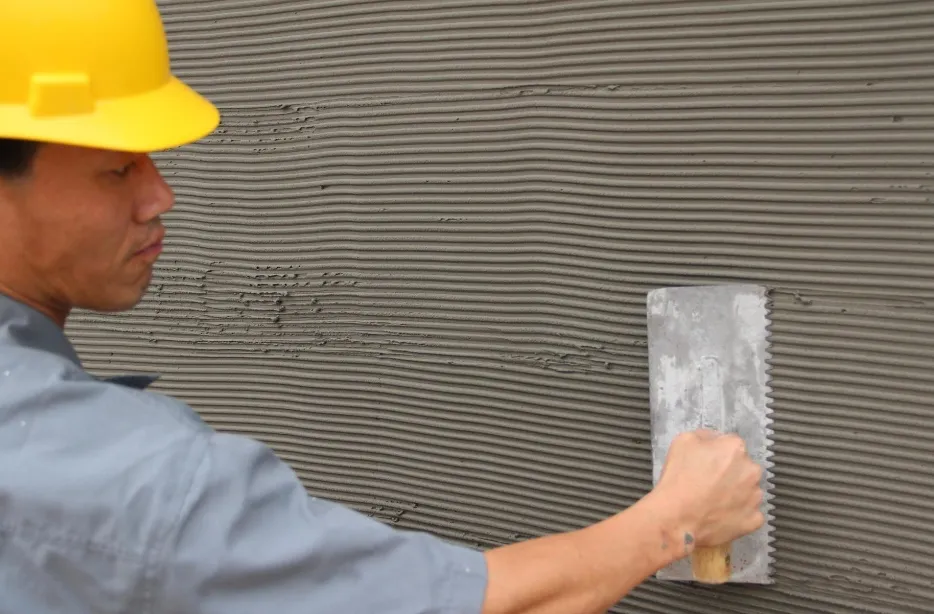
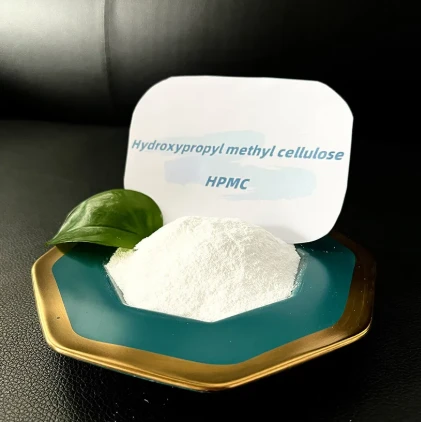
Hydroxypropyl methylcellulose (HPMC), particularly the K100LV grade, is an essential polymer frequently used in a variety of industrial and pharmaceutical applications due to its unique chemical properties and versatility. This analysis delves into the specific functionalities, practical experiences, and benefits of utilizing HPMC K100LV, providing an expert insight into its applications and impact. HPMC K100LV is a low-viscosity variant of the widely used hydroxypropyl methylcellulose, a non-ionic cellulose ether produced by the modification of alkali cellulose with methylene chloride and propylene oxide. This chemical configuration imparts HPMC K100LV with unparalleled water solubility, exceptional film-forming ability, and thermogelation properties, making it highly sought after in various sectors. In the pharmaceutical industry , HPMC K100LV's primary benefit is as an excipient. Its low viscosity facilitates easy tablet binding without the need for high compression forces, allowing for a smoother manufacturing process and consistent tablet hardness. The polymer's thermogelation properties are integral in controlling drug release, ensuring precise dosage and enhancing the bioavailability of medications. Pharmacists and formulation scientists often highlight its role in developing extended-release formulations, ensuring that therapeutic effects are prolonged while maintaining the drug's stability and efficacy. Experts in food technology also recognize the value of HPMC K100LV, particularly in the development of gluten-free products. Its ability to mimic gluten's viscoelastic properties helps create a desirable texture in baked goods, maintaining softness and moisture retention, which is often a challenge in gluten-free baking. Chefs and food product developers share positive experiences of how HPMC K100LV enhances the quality of gluten-free bread and pastries, offering consumers products that align with their dietary needs without compromising taste or texture. HPMC K100LV's utility extends to the construction industry. Its application as a cement additive is well documented, where it significantly improves the workability of dry-mix mortars. The polymer contributes to the mortar's water retention capabilities, resulting in enhanced adhesion and reduced cracking due to shrinkage. Professionals in construction and civil engineering continuously advocate for its use, citing improved durability and performance in various environmental conditions, making it a staple in modern building practices. hpmc k100lv In the context of personal care products, HPMC K100LV plays a crucial role in formulating shampoos, lotions, and creams. Its film-forming properties create a stable emulsion, maintaining product consistency and texture over time. Cosmetic chemists often express appreciation for its multifunctionality, which allows for innovative product formulations that cater to diverse consumer needs, particularly in moisturizing and volumizing products. When discussing the expertise and authority in the use of HPMC K100LV, it is clear that ongoing research and development continue to reveal new applications and improvements. Researchers in materials science and chemical engineering frequently publish studies exploring novel uses for this polymer, reinforcing its position as a versatile material. Trust in HPMC K100LV is fortified by its excellent safety profile and regulatory acceptance. It meets stringent quality standards and is approved for use by regulatory bodies such as the FDA and EMA, providing end-users with confidence in its reliability and consistency. Industries that utilize this polymer often rely on comprehensive supplier quality tests and certifications, underpinning the trustworthiness of HPMC K100LV in maintaining product integrity and safety. Ultimately, HPMC K100LV stands out due to its multifaceted applications and the trust it commands across various industries. Its unique chemical properties facilitate innovation, efficiency, and improved performance in pharmaceuticals, food technology, construction, and personal care products. As advancements in technology and materials science progress, HPMC K100LV will undoubtedly continue to evolve, driving further developments and applications in contemporary industry practices.
- 40000tons

Production
- 20+years

Experience
- 5000+㎡

Acreage

-
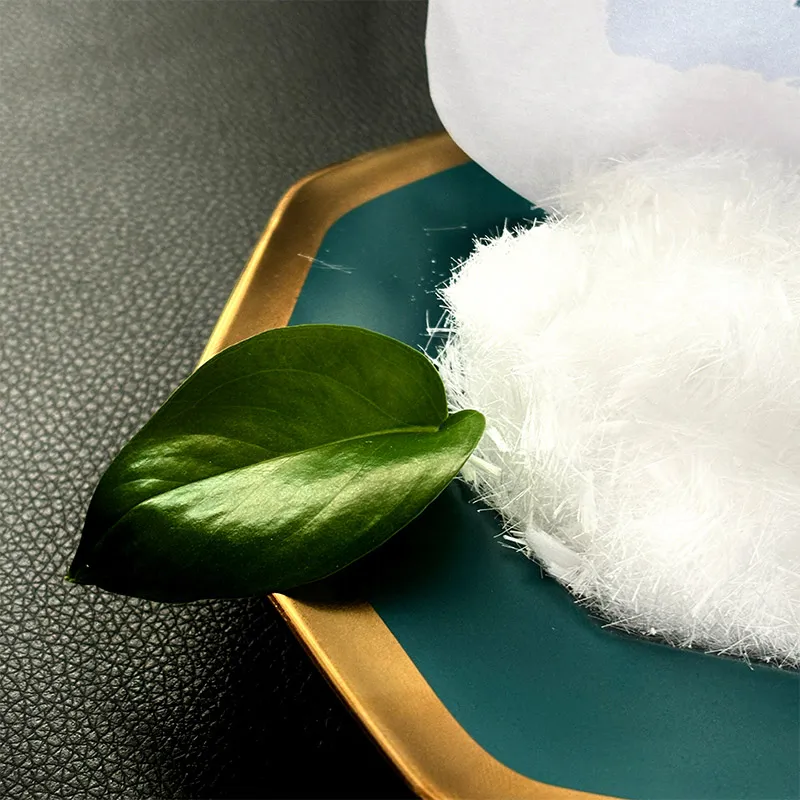
Concrete polypropylene fibers have revolutionized the construction landscape, offering an innovative solution to the age-old challenges in building materials. These synthetic fibers bring a myriad of benefits that enhance the structural integrity and durability of concrete infrastructures, and their real-world applications are proving them to be indispensable. In practice, builders and engineers alike have recognized the transformative impact of incorporating polypropylene fibers into concrete mixtures. Through firsthand experience, seasoned professionals have observed that these fibers significantly reduce cracking tendencies. Post-construction, this feature translates to lowered maintenance costs and extended longevity of concrete structures, creating a cost-effective solution in both short-term and long-term scopes. From the standpoint of expertise, it’s crucial to delve into the composition and benefits that make concrete polypropylene fibers stand out. Originating from thermoplastic polymers, these fibers offer high resistance to various physical and chemical impacts. The expert consensus highlights the fibers’ strength in enhancing resistance to freeze-thaw cycles, a common concern in regions with fluctuating climates. By reinforcing the concrete matrix, polypropylene fibers decrease permeability and offer enhanced protection against water infiltration, thus maintaining the structural integrity over time. In laboratory environments, precise tests have consistently demonstrated the advantages of these fibers. Researchers specializing in materials science have empirically validated that polypropylene fibers improve impact resistance and mitigate splitting, especially in high-traffic areas like pavements and industrial floors. These findings are corroborated by data showing reduced occurrences of micro-cracking during the curing process, setting a new benchmark in concrete durability. Authoritative bodies in the construction industry have recognized the benefits of using polypropylene fibers, therefore endorsing their use through updated building codes and standards. Organizations such as the American Concrete Institute (ACI) and the British Standards Institution (BSI) have integrated guidelines that recommend the use of synthetic fibers for concrete reinforcement. This endorsement not only reflects the growing trust in these materials but also guides best practices in application techniques. concrete polypropylene fibers Credibility in using concrete polypropylene fibers is further established through numerous successful projects globally. An exemplar is the construction of high-rise buildings in seismic zones, where the fiber-reinforced concrete has provided enhanced structural stability. Engineers involved in these projects report that the fibers allow for more flexible and adaptive designs, accommodating various architectural specifications without compromising safety or quality. Bringing a practical perspective, contractors with extensive field experience often highlight the ease of using polypropylene fibers during concrete mixing and pouring. Unlike traditional reinforcement methods, these fibers distribute uniformly throughout the mix, ensuring comprehensive protection and reinforcement. This uniformity contributes to a smoother preparation process and ultimately, superior finish quality in architectural applications. Trust in polypropylene fibers is also underscored by their environmental benefits . As sustainable building practices gain traction, these fibers contribute to eco-friendly construction goals by potentially reducing the need for other less sustainable reinforcement materials. Their production and integration result in a smaller carbon footprint, making them a fitting choice for projects aiming for green certifications and reduced environmental impact. In conclusion, the integration of concrete polypropylene fibers marks a significant advancement in modern construction practices, addressing long-standing challenges with innovative solutions. Professionals armed with both empirical evidence and field data assert that these fibers deliver unparalleled benefits in terms of durability, cost-efficiency, and environmental impact. As industry standards continue to evolve, the reliance on, and trust in, polypropylene fibers is poised to grow, positioning them as a key component in the future of sustainable and resilient construction.
-
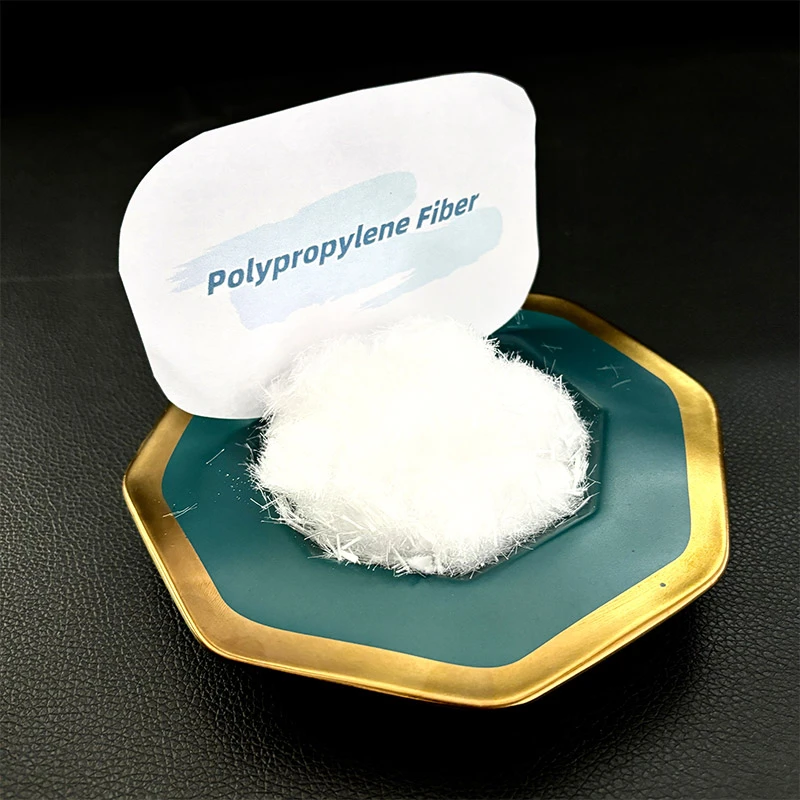
The Advantages of Glass Fiber Reinforced Polypropylene In recent years, the demand for advanced materials in various industries has surged, leading to the development of innovative composites. One of the most notable advancements is the creation of glass fiber reinforced polypropylene (GF-PP), which combines the resilient properties of polypropylene with the strength and durability of glass fibers. This material has established itself as a game changer in manufacturing and engineering, thanks to its numerous benefits. Composition and Properties Glass fiber reinforced polypropylene consists of a polypropylene matrix enhanced with glass fibers. Polypropylene, a thermoplastic polymer, is known for its lightweight, chemical resistance, and flexibility. When reinforced with glass fibers, it gains significant mechanical properties, including increased tensile strength, stiffness, and impact resistance. The incorporation of glass fibers minimizes the weight of the components while maximizing their strength, making GF-PP an ideal choice for applications where reducing weight is critical. Enhanced Mechanical Performance One of the primary advantages of GF-PP is its exceptional mechanical performance. The glass fibers provide rigidity and resistance to deformation, making this composite suitable for parts that need to withstand stress and strain without failing. This is especially important in industries such as automotive and aerospace, where the weight-to-strength ratio is critical. For instance, engineers can design lighter vehicles that do not compromise on safety or performance. In addition to tensile strength, GF-PP exhibits improved impact resistance. This makes it an excellent choice for products that are subjected to harsh conditions or potential impacts, such as automotive bumpers or protective housings for electronics. The enhanced impact resistance reduces the likelihood of product failure and extends the lifespan of components. Chemical and Thermal Resistance . Moreover, the thermal stability of glass fiber reinforced polypropylene is noteworthy. It can endure higher temperatures without softening, making it suitable for applications that require materials to maintain integrity under heat. This thermal resistance broadens the scope of potential applications, from electrical enclosures to automotive under-the-hood components. مادة البولي بروبيلين المقوى بالألياف الزجاجية Sustainability and Environmental Considerations As the world moves towards a more sustainable future, the use of glass fiber reinforced polypropylene offers an environmentally friendly alternative to traditional materials. Polypropylene itself is recyclable, and advancements in recycling technologies are making it easier to reclaim and reuse GF-PP. Additionally, the lightweight nature of GF-PP contributes to energy savings in transportation and manufacturing processes. In recent years, efforts have also been made to explore bio-based polypropylene, where natural resources are utilized to create the matrix. This innovation could enhance the sustainability profile of GF-PP even further, aligning with global goals to reduce carbon footprints and reliance on fossil fuels. Applications Across Industries The versatility of glass fiber reinforced polypropylene allows it to be used in a wide array of applications. In the automotive industry, GF-PP is increasingly used in dashboards, interior panels, and under-the-hood components. Its strength and lightweight characteristics contribute to overall vehicle efficiency and performance. In the consumer goods sector, GF-PP is popular for producing durable storage containers, outdoor furniture, and sports equipment. Its aesthetic appeal, combined with its robust properties, allows for the design of products that are both functional and attractive. Lastly, in construction and infrastructure, GF-PP is finding its way into elements such as pipes, fittings, and composite panels, where durability and resistance to environmental factors are paramount. Conclusion Glass fiber reinforced polypropylene represents a significant advancement in material science. Its unique combination of lightweight properties, mechanical strength, chemical resistance, and environmental benefits makes it an attractive choice for a variety of applications across multiple industries. As technology continues to evolve, we can expect further innovations and enhancements to this remarkable material, paving the way for a more efficient and sustainable future.
advantages
-

200000 Viscosities
Excellent product
We can produce pure products up to 200,000 viscosities
-

40000 tons
High yield
We don’t stop production all year round, and the annual output can reach 40,000 tons
-

24 hours
Quality service
We provide 24-hours online reception service, welcome to consult at any time
———— Inquiry Form
Schedule A services
-
 rubber_powder_buyers
Oct . 25, 2025
In the rapidly evolving world of pharmaceutical and health supplement manufacturing, the demand for -
 pp_staple_fiber
Oct . 25, 2025
The Rise of PP Fiber Manufacturers A Look into the Industry In recent years, the global demand for p - monofilament_polypropylene_fiber
Oct . 25, 2025
Navigating the ever-evolving world of skincare ingredients, one might stumble upon hydroxypropyl sta


